
West Bengal Adds Coding and Robotics to Classes 5–8
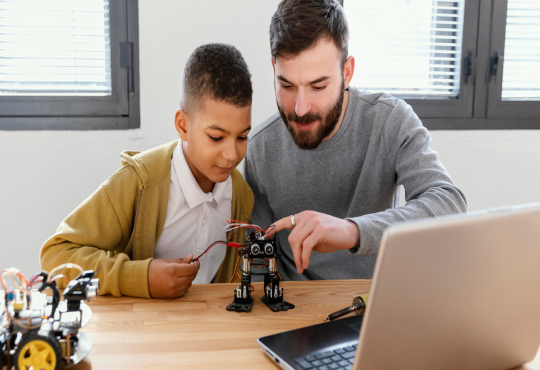
West Bengal is preparing to introduce coding, robotics, Python and Information and Communication Technology (ICT) as part of school education for students in Classes 5 to 8 from the next academic session. The initiative aims to familiarise middle-school students with digital technologies and introduce practical skills that are becoming increasingly important across industries.
The announcement was made by West Bengal School Education Minister Dipak Barman. Under the proposed initiative, ICT will become a subject for students in government schools, with lessons covering programming fundamentals, robotics and information technology.
Introducing Technology Through School Education
The proposed curriculum is expected to give students an opportunity to understand how technology works rather than limiting their exposure to computers to basic digital activities. Coding can help children develop logical thinking and problem-solving abilities, while robotics can introduce them to the practical application of programming.
Python, one of the widely used programming languages, is applied in areas such as data analysis, automation and artificial intelligence. Introducing its fundamentals at an early stage could help students develop an understanding of how software and digital applications are created.
“A new subject is to be introduced that includes Robotics, Coding, Python, and Information Technology. Books will be distributed along with a structured syllabus during the January session, alongside other core textbooks.” - Dipak Barman , School Education Minister.
The announcement highlights the state's intention to bring technology-oriented learning into the regular school curriculum. It also reflects the growing importance of preparing students for an education and employment environment increasingly influenced by digital tools.
Teacher Training and Infrastructure Will Be Important
While introducing coding and robotics at the middle-school level creates new learning opportunities, its implementation will depend on the availability of trained teachers and suitable infrastructure.
School heads have reportedly raised concerns about the shortage of teachers with specialised knowledge in technology-related subjects. Similar challenges have been observed in the teaching of artificial intelligence and data science at higher-secondary levels, where existing computer science teachers may need to handle additional subjects.
Schools will therefore need adequate computer facilities, trained educators, internet access and practical learning resources. Regular hands-on activities will also be important to help students understand programming concepts instead of learning them only through textbooks.
Supporting the Wider Digital Education Agenda
The development comes amid a broader shift towards computational thinking and artificial intelligence in Indian school education. The National Education Policy 2020 emphasises the importance of developing technological understanding and computational skills among students.
The Ministry of Education has also highlighted the introduction of computational thinking and artificial intelligence learning for students in Classes 3 to 8 through NCERT and CBSE initiatives for the 2026–27 academic year.
Alongside the ICT initiative, West Bengal also plans to distribute free third-language textbooks in Hindi, Sanskrit and Arabic to students in Classes 7 and 8.
The success of the proposed curriculum will ultimately depend on how effectively schools translate these subjects into practical learning experiences. With appropriate teacher preparation and infrastructure, the initiative could help students build stronger digital foundations during their formative years.