A featured contribution from Leadership Perspectives: a curated forum reserved for leaders nominated by our subscribers and vetted by our editorial board.

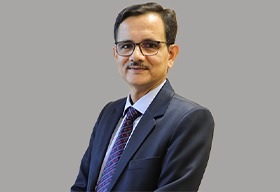
Dr. Rajorshi Ganguli, author of “Winning with Gen Z”, is a seasoned human resources leader with nearly three decades of experience across pharmaceuticals, oil and gas, and engineering. As President and Global HR Head at Alkem Laboratories Ltd, he drives global people strategy. He has deep expertise in strategic HR, change management, talent and leadership development, and capability building across diverse geographies. He focuses on building agile, future-ready organizations through effective business partnering and inclusive leadership.
In a recent interaction with Priyanka R, Copywriter at siliconindia, Rajorshi Ganguli, President and Global HR Head at Alkem Laboratories Ltd, shared his insights on ‘Engaging and Retaining the Next-Generation Workforce in a Global Organization’.
In today’s fast-evolving workplace, understanding and engaging Gen Z has become crucial for global organizations. With shifting expectations around purpose, feedback, and flexibility, effectively integrating the next-generation workforce is key to building agile, future-ready teams.
Bridging Generational Gaps in the Workplace
In global organizations, generational differences are less about competence and more about how work is perceived and experienced. Senior generations often value structure, predictability, and depth of expertise built over time. Gen Zs, on the other hand, prioritizes clarity of purpose, speed of decision-making, and continuous feedback. This difference influences how success is defined, how meetings are conducted, and how motivation is sustained.
Communication preferences further amplify this gap. Younger employees gravitate towards concise, visual, and interactive communication, while others are comfortable with formal, top-down channels. As a result, engagement strategies must move away from one-size-fits-all approaches toward choice-driven ecosystems that blend structured processes with agile, conversational formats. The objective is not to over-customize for Gen Z, but to design systems flexible enough to engage multiple generations without fragmenting teams.
Balancing Flexibility and Accountability for Younger Talent
The most effective organizations follow the principle of clarity before flexibility. Younger employees value autonomy, but they also perform best when expectations are unambiguous. When organizations clearly define non-negotiables such as values, ethical standards, governance norms, and delivery commitments they can afford to offer flexibility in execution.
Outcome-based management is a powerful enabler in this context. When teams are assessed on results rather than time spent or physical presence, flexibility becomes a performance driver rather than a compliance risk. Digital workflows, standardized platforms, and transparent review mechanisms further reinforce discipline without micromanagement. Importantly, leaders must invest time in explaining the 'why' behind controls. When flexibility is positioned as trust earned through accountability, it strengthens organizational rigor rather than weakening it.
Effective Strategies for Integrating Gen Z into Large Teams
The core challenge in integrating Gen Z is context, not capability. Large, matrixed organizations are complex and often slow to explain how things truly work. Without adequate context, younger employees can struggle to see how their role fits into the larger system, leading to early disengagement.
High-performing organizations compress the learning curve through immersive onboarding, early cross-functional exposure, and frequent feedback loops. Reverse mentoring and project-based teams accelerate integration while fostering mutual respect across generations. At the same time, organizations must avoid overwhelming new talent with excessive information. Clear role definitions, accessible leaders, and structured learning journeys build confidence. Gen Zs- the new entrants to the workforce, also need to be trained on the work ethics and how best they should try to integrate into the organization. Organizations are now also focusing on modules to train and sensitize managers on how to deal with Gen Zs so that they get the best out of them. Integration succeeds when experiences are intentionally designed rather than left to time and chance.
Leaders must invest time in explaining the 'why' behind controls. When flexibility is positioned as trust earned through accountability, it strengthens organizational rigor rather than weakening it.
Leveraging Digital and Data-Driven Insights to Boost Engagement and Retention
Digital tools enable HR to shift from reactive problem-solving to anticipatory talent management. Engagement data, learning behavior, internal mobility patterns, and manager effectiveness metrics, when viewed together, offer early signals of disengagement, especially among younger employees.
AI-enabled platforms can personalize development journeys, suggest internal career opportunities, and prompt managers to have timely, meaningful conversations. However, analytics is not about dashboards, it is about decisions. Organizations that treat data as a reporting exercise see limited impact. Those who embed insights into leadership routines, such as reviews, promotions, and succession planning, create measurable outcomes. Technology enables scale and consistency, but human judgment, leadership action and empathy ultimately determine trust, engagement, and retention.
Building Inclusive Employee Experiences to Bridge Generational Gaps
An effective framework is built around shared purpose with personalized experience. While generational preferences may differ, the desire for fairness, respect, and growth is universal. Organizations that clearly articulate their purpose and align roles to that purpose naturally reduce generational friction.
The most significant differentiator is manager capability. Daily behaviors, how feedback is delivered, how decisions are explained, and how inclusion is practiced shape employee experience far more than policies or programs. Structured mentoring, inclusive collaboration, and transparent communication foster trust across age groups. Rather than creating separate initiatives for different generations, successful organizations design inclusive systems that allow individuals to personalize their journey within a common cultural spine.
Also Read: Why Recent Layoffs Are a Turning Point for the Indian IT Sector
Evolving Leadership and Career Growth without Disrupting Hierarchy
Younger employees are not rejecting hierarchy; they are questioning opacity and stagnation. Leadership development programs must therefore focus on visibility, skill-building, and momentum rather than accelerated titles. Clear role expectations, defined skill milestones, and project-based leadership exposure help align aspirations with readiness.
In essence, Career progression is most effective when organizations offer multiple pathways such as specialist and leadership tracks, supported by continuous feedback and internal mobility. Early exposure to senior leaders and decision-making forums builds confidence without flattening hierarchy. When growth is framed as a capability journey rather than a race, ambition becomes a strength. Organizations that strike this balance retain high-potential talent while preserving structural stability and credibility.