
Rising Private College Fees Leave 411 MBBS Seats Vacant After Five NEET Rounds
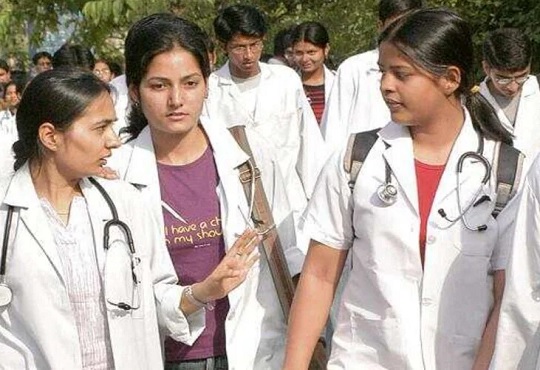
More than 400 Bachelor of Medicine and Bachelor of Surgery (MBBS) seats remain unfilled across India despite five rounds of National Eligibility cum Entrance Test (NEET) counselling, including a special stray vacancy round conducted by the Medical Counselling Committee (MCC). Of the 948 vacant seats offered in the latest round, only 537 were allotted, leaving 411 seats without takers.
The vacancies have renewed concerns over the affordability of private medical education, as fees at some private medical colleges have reportedly increased from around ₹15 lakh to ₹25 lakh-₹30 lakh. The development raises questions about whether expanding medical seat capacity is translating into greater access to medical education for NEET-qualified students.
411 MBBS Seats Remain Vacant After Five Counselling Rounds
According to a report by The Times of India, the MCC conducted a special stray vacancy round to fill MBBS seats that remained vacant after the regular counselling process.
The latest seat matrix included 948 vacant seats, of which 537 were allotted. Despite the additional counselling opportunity, 411 seats remained unfilled.
A Health Ministry official told the publication that the number of vacant seats was significantly higher than the previous year, when approximately 60-70 MBBS seats remained unfilled.
The official also noted that the Supreme Court had directed authorities to conduct four rounds of counselling, while the MCC conducted a fifth round to provide additional opportunities for admissions.
Also Read: IIT Delhi Partners With Walmart Global Tech on Rs 9 Crore AI Research Initiative
Private Medical College Fees Rise From ₹15 Lakh to ₹30 Lakh
The rising cost of private medical education has emerged as a major concern amid the unfilled seats. According to the Health Ministry official, fees at some institutions that previously charged around ₹15 lakh have increased to between ₹25 lakh and ₹30 lakh.
The official indicated that government medical colleges and reputed private institutions continued to attract students, while vacancies were concentrated in certain private medical colleges.
This difference in admission demand has brought attention to the pricing structures of private institutions that continue to have vacant seats despite multiple counselling rounds.
The official also called on these institutions to reassess their fee structures, educational standards and infrastructure.
“If fees remain this high, increasing the number of seats will serve little purpose as students can't afford them”, the Health Ministry official told The Times of India.
Vacant Seats Raise Concerns Over Affordability of Medical Education
The latest counselling figures highlight a gap between the availability of medical seats and students' ability to access them. While additional seats are intended to expand opportunities for aspiring doctors, higher private college fees can create financial barriers for families, even when students qualify NEET.
However, the 411 unallotted seats do not establish that fees alone prevented students from accepting admission. The figures nevertheless highlight the need for private medical colleges to examine whether their pricing, educational quality and infrastructure meet students' expectations.
The development also raises a broader question about India's medical education expansion: increasing the number of MBBS seats can strengthen the country's medical workforce only when those seats remain financially accessible to eligible students.