A featured contribution from Leadership Perspectives: a curated forum reserved for leaders nominated by our subscribers and vetted by our editorial board.

Synopsis
The Indian government has temporarily restricted Telegram nationwide until June 22, 2026, citing concerns that the platform was being used by cheating networks and fraudsters ahead of the NEET-UG 2026 re-examination on June 21. The move aims to curb fake paper-leak claims, exam-related scams, and misinformation, with authorities emphasizing the need to protect the integrity of the medical entrance exam.
India has temporarily blocked access to the Telegram messaging app until June 22 as part of a major effort to protect the integrity of the upcoming NEET-UG 2026 re-examination and prevent the spread of exam-related fraud, misinformation, and cheating activities. The decision was announced by the Ministry of Education in coordination with the National Testing Agency (NTA), which has raised concerns over the misuse of digital communication platforms to circulate fake question papers, false leak claims, and misleading content targeting students preparing for one of the country’s most competitive entrance examinations.
The temporary restriction comes just days before the NEET-UG 2026 re-exam, scheduled for June 21, and will remain in effect until June 22. According to officials, the move is intended to curb the activities of organized cheating networks and fraudulent groups that have allegedly used Telegram channels to spread misinformation and exploit candidates. Authorities stated that several online groups had been actively promoting fake examination materials and making false claims regarding question paper leaks, creating confusion and anxiety among students and parents.
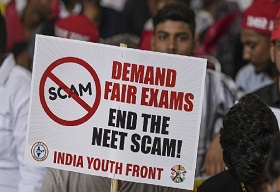
The government’s decision follows weeks of heightened scrutiny surrounding examination security. The NTA has repeatedly warned students against believing rumors circulating on social media and messaging platforms. Investigations into alleged paper leak claims found that numerous Telegram channels were sharing unverified information and attempting to profit from students by offering purported access to examination papers. Officials emphasized that no verified paper leak had been confirmed and that many of the circulating claims were found to be misleading or fraudulent.
Also Read: Neet CBD: Leveraging the Medicinal Potential of Hemp-Based CBD to Benefit Millions
In addition to restricting access to Telegram, authorities have reportedly sought enhanced safeguards to prevent manipulation of content on the platform. Concerns have been raised about the ability of users to edit messages after publication, a feature that investigators believe could potentially be misused to create false narratives regarding examination leaks after exams have already taken place. The government has therefore taken a precautionary approach to ensure the examination process remains transparent and credible.
The temporary ban reflects a broader national effort to strengthen exam security, particularly following concerns about paper leaks and malpractice in competitive examinations. In recent weeks, senior officials from the Ministry of Education, intelligence agencies, cybersecurity experts, and examination authorities have held multiple review meetings to assess risks and implement preventive measures. Social media platforms and technology companies have also been urged to cooperate in identifying and removing content that could compromise the fairness of examinations.
Education experts say the move demonstrates the government’s determination to protect the credibility of India’s examination system at a time when digital misinformation can spread rapidly. With millions of students competing for admission into medical colleges through NEET, maintaining trust in the examination process remains a top priority. Officials believe that strict action against platforms allegedly used for fraudulent activities will help ensure that candidates are evaluated solely on merit and performance.
The temporary restriction on Telegram is one of the strongest actions taken by the government in recent years to combat examination-related fraud. As India continues to modernize its education system and strengthen digital governance, authorities have signaled that any attempts to disrupt the examination process through misinformation, cheating networks, or fake paper leak schemes will face strict regulatory and legal action.