A featured contribution from Leadership Perspectives: a curated forum reserved for leaders nominated by our subscribers and vetted by our editorial board.

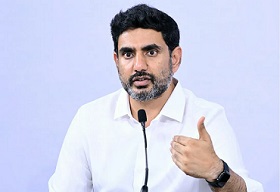
Andhra Pradesh HRD and IT Minister Nara Lokesh said the state government is building an industry-ready education ecosystem by strengthening laboratories, skill centres, research facilities and industry linkages. The curriculum is also being revamped with industry input to improve employability and align student skills with market needs.
Andhra Pradesh is looking to reshape its higher education system around industry-ready skills, stronger infrastructure and closer collaboration with employers, Human Resources Development and Information Technology Minister Nara Lokesh says. He says the state government is working to build an education ecosystem that can equip students with practical, industry-relevant skills while improving their employment prospects after graduation.
Lokesh made the remarks while inaugurating three newly constructed hostel buildings at JNTUK Engineering College in Vijayawada. The Gautami, Krishnaveni and Nagarjuna hostels were built at a cost of Rs 70 crore and together can accommodate around 1,600 students. The facilities are designed to provide students with modern accommodation and better campus infrastructure as the state works to improve the overall quality of higher education.
“Changing the education system is my dream”, says Lokesh while interacting with students. He said the government had spent the past two years strengthening school education and was now turning greater attention toward reforms in higher education. According to the minister, improving education outcomes cannot be achieved through government intervention alone and requires sustained participation from students, parents, teachers and other staff members.
A major focus of the state’s higher education strategy is improving the employability of engineering graduates. Lokesh said laboratories, skill development centers, research facilities and industry partnerships were being strengthened so that students gain exposure to the technologies, processes and skills increasingly demanded by employers. He emphasized that colleges need to move beyond traditional classroom-based learning and create opportunities for students to develop practical capabilities.
The state is also working to modernize the way educational institutions operate. Lokesh said colleges were being digitized, attendance systems were being reviewed and both short-term and long-term reforms were being introduced to improve academic outcomes. The government is also revamping curricula in consultation with industry experts, with the aim of ensuring that students graduate with skills that match changing workplace requirements.
Lokesh stressed that infrastructure would remain an important part of this transformation. He pointed to institutions such as the IITs and NITs, which have built strong academic reputations alongside robust laboratories, research infrastructure and other facilities.
Also Read: How EdTech-School Partnerships Are Redefining Digital Learning
Andhra Pradesh, he said, is attempting to follow a similar approach by investing in the physical and academic foundations needed to make its higher education institutions more competitive.
The minister also linked education reforms to the state’s broader industrial development plans. Andhra Pradesh is attracting investments across sectors including automotive, electronics, cement, steel and green hydrogen, creating potential opportunities for graduates with specialized technical and professional skills. The state is also developing 22 industrial clusters, including planned initiatives such as Drone City and Space City, which could generate demand for talent in emerging technology and industrial sectors.
For Lokesh, however, employability is only one part of the education system the state wants to build. He says students must also develop integrity, discipline, values and the ability to work hard and overcome challenges.
“Viksit Bharat without values is not Viksit Bharat”, says Lokesh, emphasizing that economic and technological progress must be accompanied by strong values among young people. Recalling his experience at Stanford University, he said education should not be limited to academic or professional preparation but should also contribute to character-building and help students develop the confidence to deal with challenges.
“Opportunities are available, but there are no shortcuts to success. Hard work is the only way”, he says.
The program was attended by Narasaraopet MP Lavu Srikrishna Devarayalu, Energy Minister Gottipati Ravi Kumar, district collector Kritika Shukla, JNTUK Vice Chancellor CSRK Prasad, Rajya Sabha member Bhashyam Ramakrishna and other legislators. The government’s emphasis on infrastructure, curriculum modernization, industry partnerships and skill development reflects its broader effort to align Andhra Pradesh’s education system with the needs of a rapidly changing economy.