
G. Pullaiah College of Engineering and Technology: Engineering Opportunities, Empowering Futures

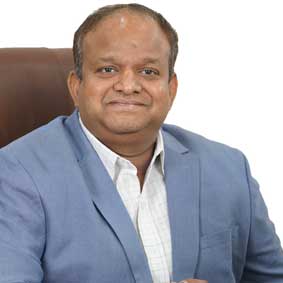
G.V.M.Mohan Kumar
Chairman
It represents not just technical proficiency, but also a gateway to innovation, entrepreneurship, and global mobility. From metropolitan hubs to emerging Tier-II and Tier-III cities the demand for quality engineering education has steadily grown, driven by the promise of stable careers, technological relevance, and societal impact.
However, the real challenge has never been demand - it has been access and quality. For decades, students from rural and semi-urban regions have faced significant barriers, including limited institutional presence, migration pressures, and socio-economic constraints. Bridging this gap requires institutions that not only deliver academic rigor but also understand the local context, empower underserved communities, and align education with industry needs.
It is within this landscape that G. Pullaiah College of Engineering and Technology and Ravindra College of Engineering for Women (RCEW) have carved a distinct identity. Established under the Sri Sai Krishna Educational Society, both institutions reflect a deep-rooted commitment to democratizing technical education in the Rayalaseema region of Andhra Pradesh. From enabling rural students to pursue engineering without leaving their hometowns to creating a dedicated ecosystem for women in STEM, these colleges have emerged as catalysts of inclusive growth .
Today, with strong accreditations, consistent placement outcomes, and a growing emphasis on innovation and research, they are steadily positioning themselves among the region’s most impactful engineering institutions.
G. Pullaiah College of Engineering and Technology: Building Technical Excellence from the Ground Up
Founded in 2007, G. Pullaiah College of Engineering and Technology was envisioned as a response to a pressing regional need - the absence of accessible quality engineering education in Kurnool and its surrounding rural areas. Backed by decades of experience in school and degree education, the founders extended their vision into technical education with the aim of nurturing skilled professionals locally .
Over the years, the institution has evolved into an autonomous college, a milestone achieved in 2018, reflecting its academic maturity and governance strength. With NAAC ‘A’ grade accreditation and recognition from the National Board of Accreditation, the college has established itself as a credible center for engineering education.
Its academic offerings have expanded from a modest intake of 240 students across four disciplines to a comprehensive portfolio of undergraduate and post graduate programs, including emerging fields such as Artificial Intelligence.
What sets the college apart is its emphasis on aligning infrastructure and pedagogy with contemporary learning needs. Classrooms are equipped with smart technologies, and the teaching approach has shifted from passive listening to active, hands-on engagement. “Students are encouraged to work on models, projects, and real-time problem solving exercises, ensuring they graduate with practical competencies rather than just theoretical knowledge”, adds G.Pullaiah, Secretary & Correspondent.
Equally significant is the institution’s focus on employability. With approximately 85 percent of eligible students securing placements and top salary packages reaching ₹25 lakh per annum, the college demonstrates a strong industry connect. Mandatory internships, introduced after the attainment of autonomous status, ensure that every student gains meaningful exposure to real-world work environments before graduation.
Ravindra College of Engineering for Women: Creating a Purpose-Driven Ecosystem for Women in STEM
Established in 2008, Ravindra College of Engineering for Women represents a deliberate and forward-thinking effort to empower women through technical
education. In regions where cultural and logistical barriers often limit opportunities for girls the institution provides a safe supportive, and aspirational environment that encourages participation in engineering disciplines.
The vision behind RCEW is deeply rooted in social impact. By offering accessible education within the region, the college addresses concerns related to safety, affordability, and mobility - key factors that influence families’ decisions regarding women’s education. Over time, this approach has translated into increased enrollment, stronger community trust, and a growing presence of women in technical careers.
RCEW achieved autonomous status in 2023 and has earned an impressive NAAC ‘A+’ grade, reflecting its commitment to academic excellence. The institution focuses on key disciplines such as Computer Science Engineering, Artificial Intelligence, and Electronics and Communication Engineering, ensuring alignment with industry demand.
Beyond academics, the college actively nurtures confidence and leadership among its students. Participation in national-level competitions, including ISRO rover challenges, has enabled students to showcase their capabilities on prestigious platforms. The establishment of a Drone Centre of Excellence, in collaboration with IIITDM Kurnool, further enhances hands-on learning and innovation, providing students with exposure to cutting edge technologies.
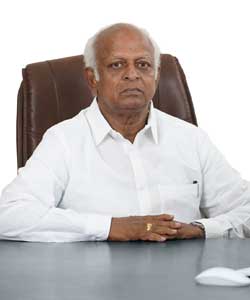
G.Puallaih, Secretary & Correspondent
Academic Rigor, Faculty Development, and a Culture of Continuous Learning
The institutions place strong emphasis on maintaining high standards in teaching and faculty development. Recognizing that faculty are the backbone of any academic ecosystem, they follow a rigorous recruitment process involving experts from universities, IITs, and NITs. This ensures that only competent and capable educators become part of the system.
New faculty members undergo structured training programs that extend beyond subject knowledge to include pedagogy, classroom management, and communication skills. Over a six-month period, they are mentored by experienced academicians and trained in emerging technologies such as Artificial Intelligence. Continuous professional development is further supported through collaborations with institutions like CDAC Pune and participation in workshops and certification programs.
The institutes also promote a culture of self-learning among students. Platforms like NPTEL are actively integrated into the academic framework, with both colleges achieving AA ratings based on student participation and performance. This emphasis on lifelong learning ensures that students remain adaptable in a rapidly changing technological landscape.
Research, Innovation, and Industry Integration
In today’s competitive environment, engineering education must go beyond classrooms to include research and innovation. Both colleges have made significant strides in this direction by establishing research centers, securing funding, and encouraging publications in reputed journals.
Recognition as nodal centers by the Department of Scientific and Industrial Research underscores their commitment to research excellence. Funding support from agencies such as AICTE, ISRO, and DSIR has enabled the development of laboratories, IDEA Labs, and student-led projects. These initiatives not only enhance technical skills but also foster a spirit of inquiry and experimentation.
Industry integration remains a key priority. The institutions maintain active collaborations with companies and organizations to facilitate internships, training programs, and placements. Their association with the Ratan Tata Innovation Hub in Anantapur further strengthens the entrepre-neurship ecosystem, providing students with mentorship, funding guidance, and exposure to startup culture.
“Regular entrepreneurship boot camps and industry interactions create an environment where students are encouraged to think beyond traditional career paths. This holistic approach ensures that graduates are not just job seekers, but also potential job creators”, speaks G.V.M.Mohan Kumar, Chairman.
Scaling Impact and Expanding Horizons
As both institutions continue to grow, their focus is firmly set on achieving national recognition and expanding their global footprint. A key objective is to secure a position in the National Institutional Ranking Framework (NIRF), with a target of entering the top 300 institutions in the coming years.
Future plans also include strengthening international collaborations with universities and research organizations thereby enhancing global exposure for students and faculty. By integrating global best practices with local relevance, the institutions aim to create a more dynamic and competitive academic environment.
At the same time, their commitment to inclusivity and community impact remains unchanged. Whether it is empowering rural youth, supporting women in engineering, or fostering innovation, both G. Pullaiah College of Engineering and Technology and Ravindra College of Engineering for Women continue to play a pivotal role in shaping the next generation of engineers.
In a country where engineering education is both a tradition and a transformation tool, these institutions stand as compelling examples of how vision, accessibility and quality can come together to create lasting impact.
The vision behind RCEW is deeply rooted in social impact. By offering accessible education within the region, the college addresses concerns related to safety, affordability, and mobility - key factors that influence families’ decisions regarding women’s education. Over time, this approach has translated into increased enrollment, stronger community trust, and a growing presence of women in technical careers.
RCEW achieved autonomous status in 2023 and has earned an impressive NAAC ‘A+’ grade, reflecting its commitment to academic excellence. The institution focuses on key disciplines such as Computer Science Engineering, Artificial Intelligence, and Electronics and Communication Engineering, ensuring alignment with industry demand.
Platforms like NPTEL are actively integrated into the academic framework, with both colleges achieving AA ratings based on student participation & performance
Beyond academics, the college actively nurtures confidence and leadership among its students. Participation in national-level competitions, including ISRO rover challenges, has enabled students to showcase their capabilities on prestigious platforms. The establishment of a Drone Centre of Excellence, in collaboration with IIITDM Kurnool, further enhances hands-on learning and innovation, providing students with exposure to cutting edge technologies.
G.Puallaih, Secretary & Correspondent
Academic Rigor, Faculty Development, and a Culture of Continuous Learning
The institutions place strong emphasis on maintaining high standards in teaching and faculty development. Recognizing that faculty are the backbone of any academic ecosystem, they follow a rigorous recruitment process involving experts from universities, IITs, and NITs. This ensures that only competent and capable educators become part of the system.
New faculty members undergo structured training programs that extend beyond subject knowledge to include pedagogy, classroom management, and communication skills. Over a six-month period, they are mentored by experienced academicians and trained in emerging technologies such as Artificial Intelligence. Continuous professional development is further supported through collaborations with institutions like CDAC Pune and participation in workshops and certification programs.
The institutes also promote a culture of self-learning among students. Platforms like NPTEL are actively integrated into the academic framework, with both colleges achieving AA ratings based on student participation and performance. This emphasis on lifelong learning ensures that students remain adaptable in a rapidly changing technological landscape.
Research, Innovation, and Industry Integration
In today’s competitive environment, engineering education must go beyond classrooms to include research and innovation. Both colleges have made significant strides in this direction by establishing research centers, securing funding, and encouraging publications in reputed journals.
Recognition as nodal centers by the Department of Scientific and Industrial Research underscores their commitment to research excellence. Funding support from agencies such as AICTE, ISRO, and DSIR has enabled the development of laboratories, IDEA Labs, and student-led projects. These initiatives not only enhance technical skills but also foster a spirit of inquiry and experimentation.
Industry integration remains a key priority. The institutions maintain active collaborations with companies and organizations to facilitate internships, training programs, and placements. Their association with the Ratan Tata Innovation Hub in Anantapur further strengthens the entrepre-neurship ecosystem, providing students with mentorship, funding guidance, and exposure to startup culture.
“Regular entrepreneurship boot camps and industry interactions create an environment where students are encouraged to think beyond traditional career paths. This holistic approach ensures that graduates are not just job seekers, but also potential job creators”, speaks G.V.M.Mohan Kumar, Chairman.
Scaling Impact and Expanding Horizons
As both institutions continue to grow, their focus is firmly set on achieving national recognition and expanding their global footprint. A key objective is to secure a position in the National Institutional Ranking Framework (NIRF), with a target of entering the top 300 institutions in the coming years.
Future plans also include strengthening international collaborations with universities and research organizations thereby enhancing global exposure for students and faculty. By integrating global best practices with local relevance, the institutions aim to create a more dynamic and competitive academic environment.
At the same time, their commitment to inclusivity and community impact remains unchanged. Whether it is empowering rural youth, supporting women in engineering, or fostering innovation, both G. Pullaiah College of Engineering and Technology and Ravindra College of Engineering for Women continue to play a pivotal role in shaping the next generation of engineers.
In a country where engineering education is both a tradition and a transformation tool, these institutions stand as compelling examples of how vision, accessibility and quality can come together to create lasting impact.